
How Water Temperature Affects Inshore Saltwater Fishing Success
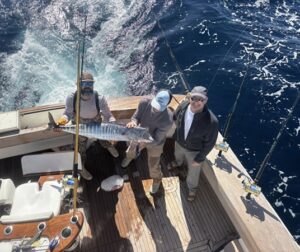
Water temperature is one of the most powerful forces influencing inshore saltwater fishing, because even small changes dramatically impact fish activity. Although many anglers believe they must wait for the “perfect” temperature before heading out, the truth is far more flexible. Fish constantly adjust to shifting conditions, so learning how they respond gives you a strong advantage on the water. Since temperature influences every stage of feeding behavior, understanding these patterns becomes essential for consistent success throughout the year in Myrtle Beach SC.
Because fish react quickly to changing temperatures, anglers benefit from observing how the water has shifted over the past few days rather than relying on a single reading. Additionally, fish rarely stay in uncomfortable zones for long. They move toward areas that offer better oxygen levels, food availability, and stable temperatures. When you understand Myrtle Beach coastal fishing temperature patterns, you can predict where they will go next and improve your catch rate immediately. This applies to both summer heat waves and winter cold snaps, especially when conditions change rapidly.
Furthermore, small variations in temperature can push fish toward deeper pockets, shaded areas, grass lines, or structures that provide comfort. With this knowledge, you can follow temperature-driven fish behavior to locate feeding groups more consistently. Because inshore species are highly temperature-sensitive, knowing these cues helps you stay successful from season to season across Myrtle Beach SC.
Seasonal Temperature Shifts and Their Impact on Inshore Saltwater Fishing
Seasonal changes play a huge role in shaping inshore saltwater fishing, and the transition between warm and cold months often produces the most dramatic shifts. During summer, shallow areas heat up quickly, forcing fish to search for cooler water where oxygen levels remain higher. As a result, anglers must adjust routes and techniques to match these conditions. When you follow seasonal fish movement in Myrtle Beach SC, you quickly identify productive spots even during intense heat.
Summer success often depends on monitoring tides. Incoming water usually provides cooler temperatures, which encourage feeding activity. These tide cycles push baitfish into predictable channels, creating perfect ambush zones. Although many anglers focus only on early morning trips, overcast days can also offer excellent opportunities, because reduced sunlight helps maintain comfortable water temperatures for longer periods.
Winter fishing in Myrtle Beach SC presents the opposite challenge. When temperatures fall, fish seek out warmer areas with dark bottoms, mud flats, or shallow pockets that heat quickly under afternoon sun. Although winter conditions may seem difficult, learning tide-influenced fishing spots allows you to locate warmer layers of water where fish naturally gather. Even on colder days, proper positioning dramatically improves your chances—especially in Myrtle Beach SC, where winter patterns vary from week to week.
Finding the Right Fishing Zones Throughout the Year
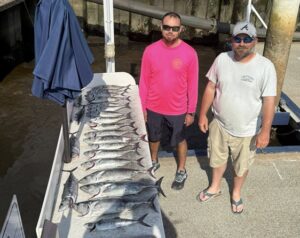
Knowing where fish hide during different seasons is one of the most valuable skills in inshore saltwater fishing. Summer fish travel to locations that offer relief from heat, making shade and tidal flow essential. Because oxygen levels decrease in warmer water, fish seek cooler and more comfortable zones that support active feeding. These areas consistently produce results for anglers who understand how fish move through shallow environments.
Top places to find fish during warm months include:
- Passes and inlets where tidal flow cools the water
- Wind-blown banks with mixing currents
- Shallow flats just after rainfall
- Overcast shorelines
- Early morning zones cooled overnight
These patterns follow the principles of a strong shallow water fishing strategy, helping anglers locate ideal feeding areas quickly. As temperatures shift toward winter, the strategy reverses. Fish prefer warmer zones such as dark bottoms, muddy backwaters, or shallow pockets warmed by afternoon sun. With careful observation, winter conditions can produce excellent results for patient anglers.
Even when conditions seem extreme, fish continue feeding as long as they locate comfortable temperatures. Understanding these seasonal shifts equips anglers with the confidence needed to adjust techniques and locations throughout the year. With support from expert guides, such as those at Captain Smiley Fishing Charters LLC., anglers consistently learn how to adapt and improve results. Their knowledge of seasonal behavior makes every trip more productive for those exploring Myrtle Beach SC waters.
FAQ
Why does water temperature change fish behavior so quickly?
Because temperature controls metabolism, energy levels, and feeding activity.
Where do fish go in extreme summer heat?
They move toward cooler tide zones, deeper pockets, and wind-influenced shorelines.
Do fish stop feeding completely in winter?
No. They still feed, but they move to warmer areas and respond better to slower presentations.
Why is tidal movement important?
Because tides bring shifting temperatures and oxygen, which directly influence feeding.
Should anglers focus on shallow or deep water in winter?
Shallow water warms faster, but deeper pockets offer stability during cold fronts.
Is a charter beneficial for temperature-affected fishing?
Yes. A skilled guide understands seasonal changes and improves catch consistency.
Experience a smarter, more strategic approach to fishing by learning how temperature shapes success. Contact Captain Smiley Fishing Charters LLC. today and discover how expert guidance transforms your next inshore saltwater fishing adventure!
Like our Facebook page for more information.
Captain Smiley Fishing Charters LLC.
4495 Baker St
Little River, SC 29566
(843) 361-7445
https://www.captainsmileyfishingcharters.com
catch@captainsmileyfishingcharters.com
